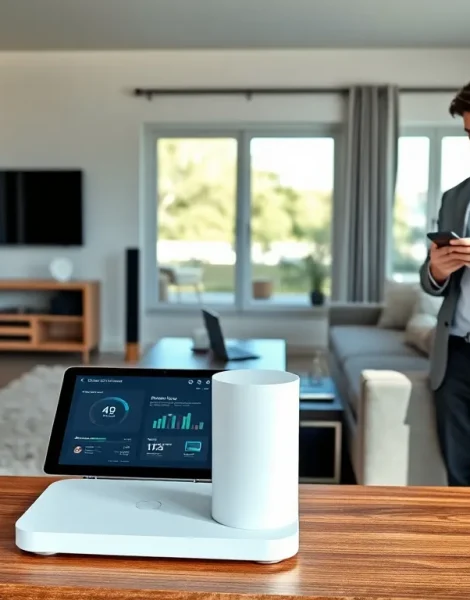
Home networking trends 2026 will reshape how people connect devices, stream content, and secure their digital lives. The average household now runs more than 20 connected devices, and that number keeps climbing. Faster speeds, smarter management tools, and stronger security have become essential rather than optional.
This article covers the key developments shaping home networks in 2026. From Wi-Fi 7 adoption to AI-driven network optimization, these trends reflect real changes in how consumers think about connectivity. Whether someone manages a simple setup or runs a full smart home ecosystem, understanding these shifts helps them make better decisions about their home network infrastructure.
Table of Contents
ToggleKey Takeaways
- Wi-Fi 7 becomes mainstream in 2026 with router prices dropping to $200–$400, offering speeds up to 46 Gbps and latency under 2 milliseconds.
- AI-powered network management now automatically optimizes bandwidth, predicts maintenance issues, and responds to natural language commands—all processed locally for privacy.
- Mesh networking systems with three or more nodes have become the default choice for consistent whole-home coverage in 2026.
- Home networking trends 2026 prioritize built-in security features like automatic firmware updates, network segmentation, and malware scanning on mid-range routers.
- Matter protocol and Thread networking simplify smart home integration, letting devices from different brands work together while reducing Wi-Fi congestion.
- The average household now runs over 20 connected devices, making smarter bandwidth allocation and IoT-specific router features essential.
Wi-Fi 7 Becomes Mainstream
Wi-Fi 7 adoption will accelerate dramatically in 2026. After limited availability in 2024 and 2025, manufacturers have scaled production, and prices have dropped to consumer-friendly levels. This makes 2026 the year most people can actually afford to upgrade.
Wi-Fi 7 delivers theoretical speeds up to 46 Gbps, roughly four times faster than Wi-Fi 6E. But raw speed isn’t the only benefit. The technology introduces Multi-Link Operation (MLO), which allows devices to connect across multiple frequency bands simultaneously. This means fewer dropped connections during video calls and smoother 4K streaming across multiple rooms.
Latency improvements matter just as much. Home networking trends 2026 show gamers and remote workers prioritizing low-lag connections over pure bandwidth. Wi-Fi 7 can achieve latency under 2 milliseconds in ideal conditions. That’s fast enough for cloud gaming and real-time collaboration tools.
Major router manufacturers like TP-Link, Netgear, and ASUS have released Wi-Fi 7 routers priced between $200 and $400. This price range puts the technology within reach for mainstream buyers. Internet service providers have also started including Wi-Fi 7 routers in their equipment bundles, further driving adoption.
The Rise of AI-Powered Network Management
AI-powered network management has moved from marketing buzzword to practical reality. In 2026, these systems actively optimize home networks without user intervention.
Modern AI management tools analyze traffic patterns in real time. They identify which devices need priority bandwidth and adjust settings automatically. A video conference gets priority over a background software update. Gaming traffic routes through the fastest available channel. Users don’t need to configure anything, the system learns their habits.
Home networking trends 2026 also include predictive maintenance. AI algorithms can detect when a device connection becomes unstable before users notice problems. The system might switch channels, adjust power levels, or alert homeowners about potential interference sources.
Some routers now offer natural language controls. Users can say “prioritize my laptop for the next two hours” or ask “why is my smart TV connection slow?” The AI provides actionable answers rather than technical jargon.
Privacy-conscious consumers should note that most AI network features run locally on the router. Data stays within the home network rather than uploading to cloud servers. This local processing addresses a major concern about smart home technology.
Mesh Networks and Whole-Home Connectivity
Mesh networking systems have become the default choice for homes larger than 1,500 square feet. Single-router setups simply can’t deliver consistent coverage across multiple floors or through thick walls.
The 2026 mesh market features significant improvements over earlier generations. Current systems use dedicated backhaul channels, which means the connection between mesh nodes doesn’t compete with device traffic. This solves the speed degradation issues that plagued first-generation mesh products.
Home networking trends 2026 show consumers buying mesh systems with three or more nodes. Manufacturers have responded with starter kits that include extra units. The goal is seamless coverage from basement to backyard.
Wi-Fi 7 mesh systems represent the premium tier this year. They combine the speed benefits of the new standard with the coverage advantages of mesh architecture. Prices run higher, typically $500 to $800 for a three-node system, but early adopters report excellent results.
Installation has become genuinely simple. Most mesh systems guide users through setup via smartphone apps. The process takes about 15 minutes for a standard home. Some ISPs now offer professional installation with mesh equipment included in monthly plans.
Growing Demand for Enhanced Security Features
Security concerns have intensified as homes add more connected devices. Each smart speaker, doorbell camera, and connected appliance represents a potential entry point for attackers. Consumers understand this risk better than they did five years ago.
Home networking trends 2026 reflect this awareness. Routers now ship with security features that previously required separate subscriptions. Automatic firmware updates, malware scanning, and suspicious activity alerts come standard on mid-range equipment.
Network segmentation has become a popular feature. Users can create separate networks for IoT devices, guest access, and personal computers. If someone compromises a smart light bulb, they can’t use it to access more sensitive devices. Many routers now set up these segments automatically during initial configuration.
Parental controls have grown more sophisticated as well. Parents can set time limits, block specific content categories, and pause internet access for individual devices. These controls work at the router level, so they apply regardless of what app or browser a child uses.
Some manufacturers now offer optional security subscriptions that add advanced threat detection and VPN services. These typically cost $50 to $100 per year. Whether they’re worth the cost depends on individual risk tolerance and technical knowledge.
Smart Home Integration and IoT Expansion
The average smart home added four new connected devices in 2025. That trend shows no signs of slowing. Home networking trends 2026 must account for this device explosion.
Matter protocol adoption has simplified device compatibility. This universal smart home standard lets products from different manufacturers work together without separate apps or hubs. A Philips light bulb can respond to commands from an Amazon Echo, Google Home, or Apple HomePod. Network equipment manufacturers have embraced Matter, building native support into their routers.
Thread networking technology works alongside Wi-Fi in many 2026 devices. Thread creates a low-power mesh network specifically for IoT devices like sensors, locks, and thermostats. This reduces congestion on the main Wi-Fi network while providing reliable connections for devices that don’t need high bandwidth.
Home networking equipment now includes IoT-specific features. Some routers display all connected smart devices on a visual map. Users can see which devices communicate with external servers and block suspicious connections. This visibility helps homeowners understand what their smart devices actually do.
Bandwidth allocation for IoT has improved as well. Modern routers recognize smart home devices and assign them appropriate priority levels. A security camera gets reliable bandwidth, while a smart plant sensor uses minimal network resources. This automatic management keeps everything running smoothly as device counts grow.